Germany urgently needs doctors — and that shortage is creating real opportunities for international physicians. With an aging population and thousands of unfilled hospital positions, the country is actively recruiting qualified doctors from around the world.

But moving to Germany as a doctor isn’t just about demand — it’s about understanding the full picture. Licensing can be complex. Language requirements are strict. Recognition of foreign degrees takes time. Yet for those who prepare properly, the rewards are substantial: stable employment, structured specialist training, competitive salaries, strong worker protections, and a clear path to permanent residency.

So what does it actually take to practice medicine in Germany?

This guide gives you a practical, no-nonsense overview — from eligibility and medical licensing to expected income, daily hospital life, and long-term settlement options. If you’re serious about building a medical career in Germany, this is where clarity begins.


Why Germany Needs Doctors

42b6a5a2-340c-4c6e-838b-218c05039392

Germany is facing a nationwide shortage of doctors, especially in public hospitals and rural regions. Many German doctors are reaching retirement age, while patient numbers continue to rise. As a result, hospitals rely heavily on international medical graduates to maintain healthcare standards. International doctors are treated equally, receive the same salary as German doctors, and have strong job security.

Who Can Work as a Doctor in Germany

d0a7a09b-1979-4d87-bfe8-a5f39ee3af4a

Doctors who have completed:

  • MBBS or equivalent medical degree

  • MD / MS / DNB (specialists)

  • Internship or clinical experience (preferred but not always mandatory)

Both EU and non-EU doctors can work in Germany. Nationality is not the deciding factor; degree recognition and language skills are what matter most. Fresh graduates and experienced doctors can apply, although experienced doctors may progress faster.

Medical License in Germany (Approbation)

e545235e-064d-41ad-aa62-aece67f77600

To work independently as a doctor in Germany, you need a medical license called Approbation.

The licensing process generally includes:

  • Evaluation of your medical degree

  • Verification of academic and clinical training

  • Proof of German language proficiency

  • Medical knowledge assessment (if required)

Some doctors may initially receive a temporary license, allowing them to work under supervision while completing requirements.

German Language Requirement for Doctors

f77b08a6-f08c-40d4-a279-5670ce69d4c8

German language proficiency is mandatory. Doctors must communicate clearly with patients, colleagues, and authorities.

  • B2 level German is usually required to apply

  • C1 Medical German is required to work independently

  • Doctors must pass a medical language exam focused on patient communication and documentation

Medical German is more technical and practical than everyday German, as it includes patient history taking, diagnosis explanation, and medical reports.

Salary of Doctors in Germany

6df72208-5881-44da-805c-81c011046d16

Doctors in Germany earn competitive salaries that increase with experience.

  • Entry-level doctors earn a stable monthly income during training

  • Specialist doctors earn significantly higher salaries

  • Additional pay is provided for night shifts, weekends, and overtime

Salaries are structured, transparent, and protected by labor laws. Taxes and social security contributions apply, but they also provide benefits such as healthcare, pensions, and unemployment insurance.

Working Hours and Work-Life Balance

757da94c-7f0a-4289-8f35-665b9e84f411

Germany is known for a balanced and professional work culture.

  • Average working hours are regulated

  • Paid annual leave is mandatory

  • Maternity and paternity benefits are strong

  • Doctors work in a respectful, well-organized environment

Documentation and patient safety are highly prioritized, and teamwork is an essential part of daily hospital life.

Medical Specialties in High Demand

2a64371f-bd7d-424d-be42-d1c03f839971

Some specialties have particularly strong demand, making it easier to find jobs:

  • Internal Medicine

  • Anesthesiology

  • Psychiatry

  • Emergency Medicine

  • Geriatrics

  • Family Medicine

These fields often offer faster hiring, better job availability, and long-term stability.

Cost to Become a Doctor in Germany

Untitled design (49)

Becoming a doctor in Germany does not involve university tuition fees for working professionals. However, some costs may include:

  • German language training

  • Document translation and verification

  • License and exam fees

  • Living expenses during preparation period

Once employed, doctors earn a salary during training and employment.

Visa and Residence Permit

Untitled design (48)

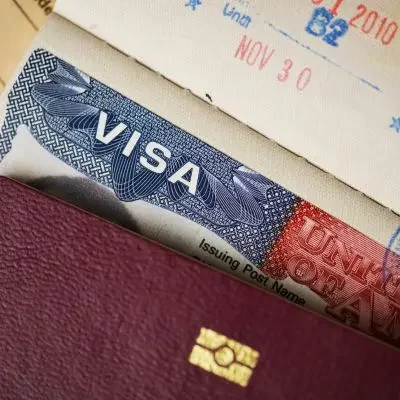
Doctors can apply for:

  • Job seeker visa

  • Work visa after securing a job offer

  • EU Blue Card (for higher salary brackets)

Germany allows family reunification, meaning spouses and children can join and live legally. Spouses are also allowed to work.

Permanent Residence and Settlement

Residence

Germany offers excellent long-term opportunities:

  • Permanent residence after working for a few years

  • Eligibility for German citizenship

  • Free or low-cost education for children

  • Strong social security and healthcare system

Many international doctors settle permanently in Germany.

Challenges Doctors May Face

Challenges

While opportunities are strong, doctors should be prepared for:

  • Language adaptation in the first year

  • Cultural differences in the workplace

  • Heavy documentation requirements

  • Initial adjustment to the healthcare system

These challenges usually reduce significantly within the first year of practice.

Step-by-Step Path to Work as a Doctor in Germany

Step by step
  1. Evaluate your medical qualification
  2. Learn German language up to required level
  3. Prepare and translate documents
  4. Apply for medical license
  5. Secure a hospital job
  6. Apply for visa and relocate

Frequently Asked Questions

1. Is German mandatory to work as a doctor?
Yes, German language proficiency is compulsory.

2. Can fresh MBBS graduates apply?
Yes, fresh graduates can apply, though clinical experience is beneficial.

3. Is there an age limit?
There is no strict age limit.

4. Can doctors change hospitals later?
Yes, doctors can change employers after meeting contractual terms.

5. Are weekends off?
Doctors usually work in shifts; weekends may be on rotation.

6. Is Germany better than other countries for doctors?
Germany offers strong job security, equal pay, and long-term settlement options.